The Christmas "Prince"
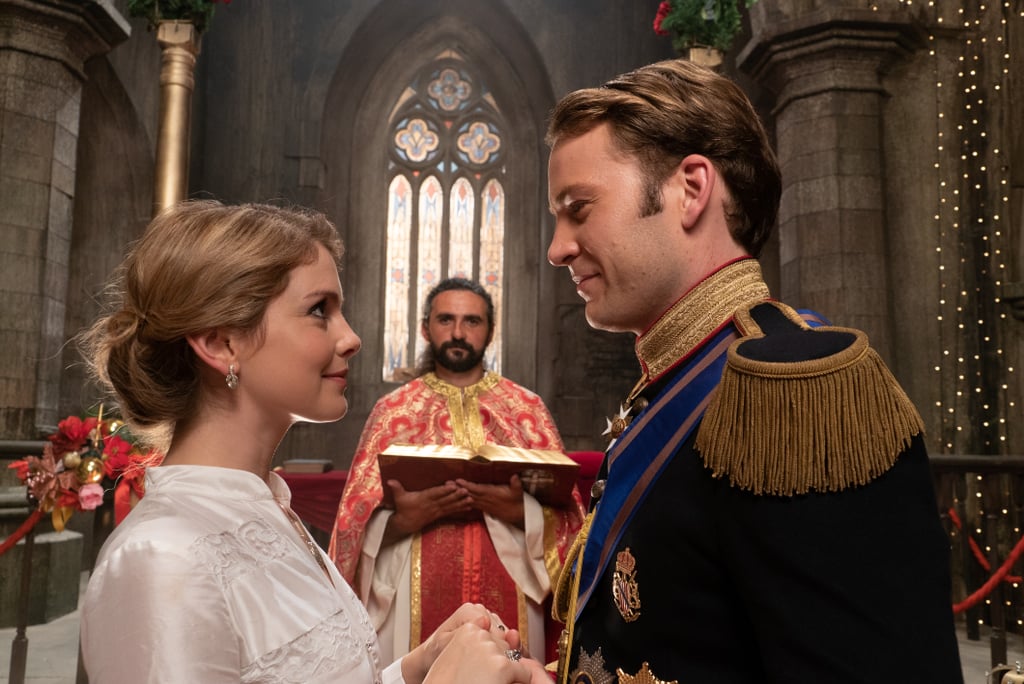
I watched the movie The Christmas Prince a Royal Wedding and despite the terrible acting I was rather taken aback by some of the underlying messages conveyed throughout the plot. Throughout the movie there was a common theme of the fact that the entire cast, excluding two minor characters, were white. This later played into a larger problem that I saw develop, however originally I wondered who decided that basically the entire cast should be white with blonde hair. For this reason I looked up who the director of this movie is, and it is a man named John Schultz. No surprise to me he is also a white man with blonde hair. Because the director is only part of the reason certain individuals are cast in a role I also looked up who the casting director was. She is a women by the name of Melissa DeLiza who is white, however this time, does not have blonde hair. These are the two individuals who had the most power when it came to appointing the cast, and they chose almost entirely white actors. The two exceptions were a servant who appeared to be Indian and a dumb best friend who was African American. The fact that the only two people of color were cast as inferior roles also demonstrates the kind of message this movie was trying to convey. I believe that the reason this movie was strictly starred in by white, blond haired actors tells us that the director and casting director wanted to reinforce the idea of white idealism. I say white idealism because of the fact that the unobtainable ideals in reality are achieved by white characters. This therefore shows how if you want to have this perfect dream of living in a castle, which the movie shows, you have to be white. This within itself is startling to think about, however the movie continues to portray other rigid stereotypes and lifestyles that I question.
In addition to the stereotypical "white is better" mindset I noticed several others that I was not expecting. For example the protagonist of the story, a young women preparing to marry a king, never has a serious role in the administration and lacked a serious job to begin with. Prior to moving to some obscure country to marry a man that she just met she held some kind of blogging position. Although I am sure this was a good career choice she was never involved in anything extremely academically minded. This independently is not an issue, however throughout the movie we continue to see her power degraded. Characters repeatedly tell her to not worry about issues of state and instead think of planning a wedding and shopping for dresses. Finally when she investigates an issue of state she is seriously reprimanded and the notes she takes on the issue totals at a whopping two words. This all culminates to show the audience that a women's job includes domestic tasks but nothing more and nothing less. In addition there are clear messages about what kind of relationship is acceptable. There are around five main female characters and over the course of the movie every single one ends up with a man or a boy. I say a boy because the twelve year old girl also falls in love. This not only perpetuates the idea that the right kind of romantic relationship is between a man and a woman, but also that woman need a man in order to be happy. Finally, there are two characters in the movie that are widows.One is the mother of the groom and the other is the father of the bride. Both are very clearly not allowed to remarry or engage with any other possible romantic partner. While all of the other characters couple up they remain alone still speaking of their deceased partners. This tries to show us how it is unacceptable to remarry or find another romantic partner once your wife/husband has died. These stereotypes all culminate to leave an awfully "traditional" set of ideals with the audience.
Finally, there are clearly several audiences that are left out of this message. Any woman who believes that they should be able to have larger responsibilities than that of domestic tasks are targeted in this movie as it goes against the message being conveyed. In addition any person of color will not feel represented in this movie in part because of the lack of characters of color, but also the characters that are, are viewed as inferior. Also because of the high concentration of straight couples I believe that anyone within the LGBTQ+ community would feel excluded from the message this movie conveys. Also anyone who has re partnered after the passing of their spouse would undoubtedly feel ashamed by their actions after watching this movie. And overall, basically anyone who did not fit the perfect mold of the stereotypical white man or women from the 60s would feel at least slightly uneasy after watching this film.


This women marrying into the royal family appeals to our need for prominence. The writers were able to connect her with us because, from what you are saying, she appears to be an ordinary person. So, if she was able to marry a king, it makes it seem like we can too.
ReplyDeleteI recently encountered the same thing. I watched the movie Enchanted and it dealt with the same issues that this movies does. Princess and fantasy movies create an unattainable but idealistic way of living for young viewers, specifically young girls. It is saddening to think that in the current world we live in that has had such a positive outlook on equality, companies like Disney still seem to grow even though they obviously do not show any sense of inclusion in their programs. These movie companies seem to put such horrendous morals into their films, yet we constantly choose to watch them. Why do you think that is? How would you approach this ongoing issue? Would you try to get people to stop viewing movies from certain companies, or would you go about it in a different way that spread your views?
ReplyDelete